


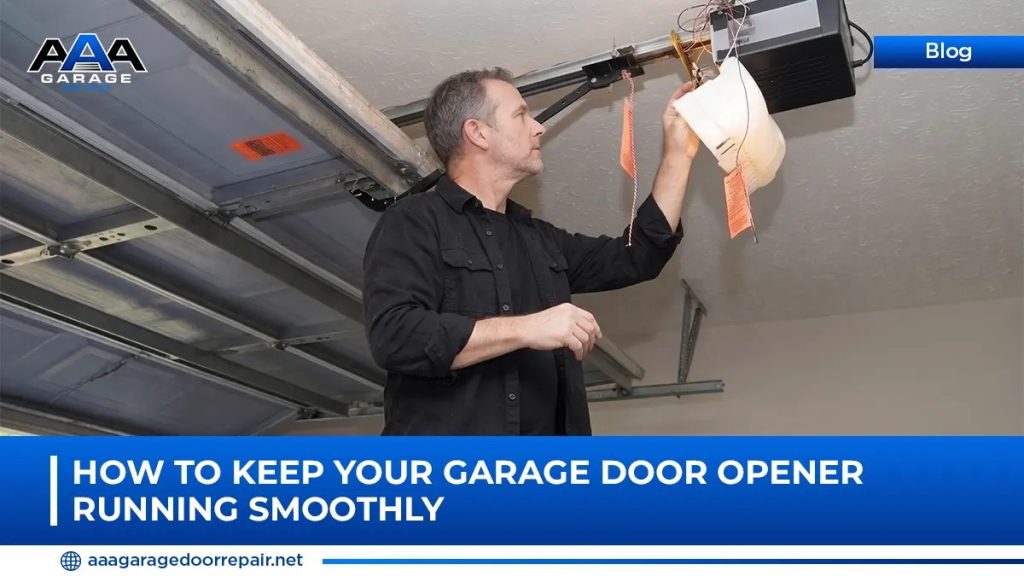
How to Keep Your Garage Door Opener Running Smoothly
Summary
Regular maintenance is the key to keeping your garage door opener reliable, efficient, and operating smoothly for years. Chicago homeowners can prevent unexpected breakdowns by cleaning components, inspecting hardware, testing safety features, and addressing early warning signs. With added attention to winter-related wear and timely professional inspections, you can reduce costly repairs and extend your opener’s lifespan.
Introduction
Your garage door opener plays an essential role in your home’s convenience, security, and daily routine. However, frequent use, accumulated dirt, and Chicago’s changing weather conditions can affect its performance over time. Regular maintenance helps prevent unexpected malfunctions, reduce wear and tear, and keep your opener operating reliably. Here’s everything you need to know about keeping it in good working order.
How Does a Garage Door Opener Work?
Before performing maintenance, it’s helpful to understand how your opener operates. The system relies on several components working together to lift, lower, and control the door safely.
- Motor and Drive System: The motor powers the opener, while the drive mechanism (chain, belt, or screw) transfers that power to move the door.
- Remote Controls and Wall Switches: These allow homeowners to operate the opener conveniently. Remote controls send wireless signals, while wall switches provide direct access from inside the garage.
- Safety Sensors: Located near the bottom of the garage door tracks, these sensors detect obstructions and prevent the door from closing when something is in its path.
- Opener Rail and Trolley: The rail guides the trolley, which connects to the garage door and moves it along the track as the opener operates.
- Limit Settings and Force Controls: These settings regulate how far the door travels and how much force the opener uses when opening or closing.
Each component plays an important role in ensuring reliable operation. When one part becomes worn, misaligned, or damaged, the entire system can be affected. Understanding these components makes it easier to recognize potential problems and know when maintenance or professional repairs are necessary.
Essential Garage Door Opener Maintenance Tips
Keeping your opener in good condition doesn’t have to be complicated. A few simple maintenance practices can reduce wear, prevent common operating issues, and help extend its lifespan. Here are some essential steps Chicago homeowners can follow to keep their garage door openers working reliably.
Keep the Opener and Surrounding Area Clean
Dust and debris can accumulate around your opener over time, potentially affecting its performance. Regularly wipe down the motor housing and remove dirt buildup along the opener rail.
Keep the surrounding area clear of stored items and other obstructions to allow proper ventilation and prevent interference with moving components. Always disconnect power before cleaning near electrical components, and avoid opening the motor housing yourself.
Inspect and Tighten Loose Hardware
Garage door openers generate vibrations during regular operation, which can gradually loosen mounting brackets, screws, and bolts. Periodically inspect accessible hardware for signs of looseness and listen for unusual rattling or excessive movement.
Loose components can affect the opener’s stability and performance. If you notice significant vibration or suspect damaged mounting hardware, have a qualified technician inspect and secure the components.
Lubricate Moving Parts When Needed
Proper lubrication helps reduce friction and wear on compatible garage door components, supporting quieter and smoother operation. Follow the manufacturer’s recommendations and use a garage door-specific lubricant on parts that require it, such as hinges and rollers.
Avoid applying grease indiscriminately to the opener motor, electronic components, or drive mechanism, as improper lubrication can interfere with performance or damage certain parts.
Test the Garage Door Safety Sensors
Garage door safety sensors help prevent accidents by detecting objects, people, or pets in the door’s path. Regularly check that the sensor lenses are clean, properly aligned, and free from obstructions.
You should also test the automatic reversal system according to the manufacturer’s instructions to confirm it responds correctly. Properly functioning safety features reduce the risk of injuries and property damage while ensuring your garage door operates safely.
Check the Remote Controls and Wall Switch
Remote controls and wall switches allow convenient access to your garage, but worn buttons or weak batteries can interfere with their operation. Replace remote batteries when the signal becomes weak or inconsistent, and check for damaged buttons or casing.
If the opener stops responding, inspect the wall control and verify that the unit has power. Addressing these minor issues early can help prevent unnecessary disruptions and keep your garage door operating reliably.
Consistent maintenance can go a long way toward keeping your garage door opener reliable and efficient. Then again, there are other factors you need to prepare for.
Can Chicago Weather Affect Opener Performance?
Chicago’s changing weather conditions can take a toll on opener systems, particularly during harsh winters. Freezing temperatures, moisture, and seasonal fluctuations can affect electrical components and moving parts, making routine maintenance especially important for local homeowners.
Freezing Temperatures
Chicago’s winter temperatures can affect garage door opener performance in several ways. Cold conditions may reduce remote battery efficiency, affect electronic components, and cause certain mechanical parts to become stiff. As a result, your opener may respond more slowly or struggle to operate the door properly.
Moisture and Condensation
Snow, rain, and fluctuating temperatures can introduce moisture into your garage. Over time, condensation and water exposure may affect electrical connections, sensor performance, and other sensitive components. Keep your garage reasonably dry and check for signs of moisture around the opener and its wiring.
Increased Mechanical Strain
Chicago’s cold weather can cause certain garage door components, including rollers, hinges, and springs, to become less responsive. Ice buildup or stiff moving parts can also increase resistance, forcing the opener to work harder than necessary. This additional strain may contribute to premature wear and unexpected malfunctions.
Inspect Your Garage Door System Before and After Winter
Chicago homeowners should consider having their garage door systems inspected before winter to identify worn components, lubrication issues, and potential problems that could worsen in freezing conditions. A follow-up inspection after winter can help uncover damage caused by prolonged exposure to cold, moisture, and ice. Addressing these issues early helps reduce unnecessary strain on the opener and keeps the entire garage door system operating reliably.
Because Chicago’s weather can place additional stress on opener components, regular inspections and timely maintenance are essential. However, not every problem is immediately obvious. Knowing which warning signs to watch for can help you catch developing issues early.
Watch for Signs Your Garage Door Opener Needs Attention
Even with regular maintenance, openers can develop problems over time. Recognizing early warning signs can help Chicago homeowners address minor issues before they lead to expensive repairs or complete system failure. Watch for these common indicators:
- Delayed Response: If your opener takes several seconds to respond to the remote or wall switch, it could indicate weak batteries, signal interference, or problems with the receiver or internal electronics.
- Unusual Noises: Grinding, humming, or repeated clicking sounds may point to worn drive components, motor problems, or mechanical obstructions.
- Inconsistent Operation: If your garage door opens or closes intermittently, the cause could be faulty sensors, electrical issues, or problems with the opener’s internal components.
- Opener Runs but the Door Doesn’t Move: This may indicate a disconnected trolley, damaged drive mechanism, or an issue with the connection between the opener and the door.
- Unexpected Reversing: A door that reverses direction or fails to close completely may have misaligned safety sensors, incorrect travel settings, or an obstruction.
- Reduced Remote Operating Range: If you need to stand unusually close to operate your garage door, weak remote batteries, signal interference, or receiver issues may be responsible.
Don’t ignore these warning signs, even if your garage door still operates occasionally. Small problems can worsen over time, potentially damaging other components or compromising your garage’s security. If basic troubleshooting doesn’t resolve the issue, have a qualified garage door technician inspect the system.
When Should You Call a Professional Garage Door Technician?
While basic maintenance and troubleshooting can resolve some minor garage door opener issues, certain problems require professional attention:
- When the opener repeatedly malfunctions despite basic troubleshooting.
- When the motor makes unusual noises or struggles to operate.
- When safety sensors or automatic reversal features fail.
- When the opener has electrical problems or damaged internal components.
- When the garage door appears unbalanced, has broken springs, or places excessive strain on the opener.
These problems can affect the entire system and lead to further damage if left unaddressed. Garage door springs and cables are under significant tension and can cause serious injuries when handled improperly.
Avoid attempting DIY repairs or adjustments to these components. A trained technician has the proper tools and experience to diagnose the problem, perform repairs safely, and restore reliable operation.
Takeaway
Keeping your garage door opener running smoothly requires consistent maintenance, timely inspections, and attention to early warning signs. Simple practices like cleaning components, checking hardware, testing safety sensors, and replacing remote batteries can help prevent common problems and extend your opener’s lifespan. However, mechanical failures, electrical issues, and damaged springs or cables should always be handled by qualified technicians.
If your garage door opener is struggling or showing signs of wear, AAA Garage Door Repair is ready to help. Call us today for sudden opener problems, snapped springs, long-term maintenance, and everything in between!
Frequently Asked Questions
1. Can a power outage damage my garage door opener?
A power outage typically won’t damage the opener, but it can prevent automatic operation. Some models include battery backup systems that allow the door to function during temporary outages.
2. Are smart garage door openers worth the investment?
Smart garage door openers offer added convenience through smartphone controls, remote monitoring, activity notifications, and integration with compatible smart home systems.
3. Can I upgrade my existing garage door opener without replacing the entire system?
In many cases, yes. Depending on your opener’s age, condition, and compatibility, you may be able to add smart controls or upgrade certain accessories without replacing the motor.
4. What type of garage door opener is the quietest?
Belt-drive garage door openers are generally quieter than chain-drive models, making them a popular choice for homes with attached garages or living spaces near the garage.
5. Do garage door openers come with warranties?
Yes. Most garage door openers include manufacturer warranties covering specific parts, motors, and components. Coverage and duration vary by brand and model, so review the warranty terms before purchasing.
Guide did not fix it?