


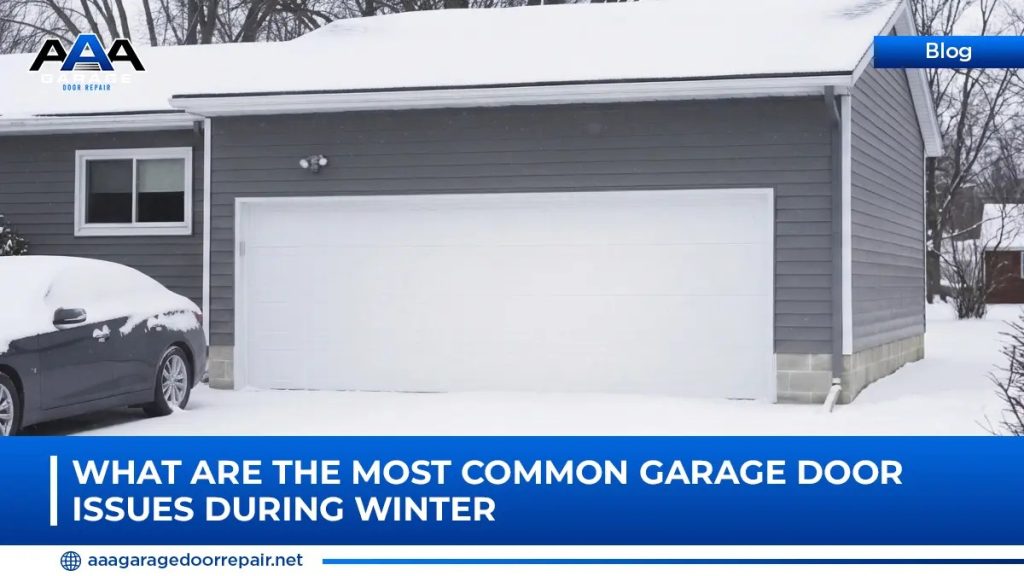
What are the Most Common Garage Door Issues During Winter?
Summary
Winter weather can take a toll on your garage door, causing frozen seals, stiff components, broken springs, and malfunctioning openers. Understanding these common cold-weather issues can help homeowners, especially in Chicago, prevent unexpected breakdowns and keep their doors operating safely. Regular maintenance and timely professional repairs can help ensure reliable performance throughout the winter months.
Introduction
Winter weather can take a toll on your garage door, affecting everything from its moving components to its overall performance. In Chicago, freezing temperatures, snow, ice, and moisture can cause doors to stick, move unevenly, or stop working altogether.
These problems can be inconvenient and potentially compromise your home’s security. Understanding the most common winter garage door issues can help you recognize early warning signs, prevent unexpected breakdowns, and keep your system operating reliably throughout the colder months.
What are the 10 Most Common Garage Door Problems During Winter?
1. Frozen Garage Door Weather Seals
One common garage door problem during winter is a bottom weather seal freezing to the ground. This happens when rainwater, melting snow, or moisture collects beneath the garage door and freezes as temperatures drop. The resulting ice can create a strong bond between the rubber seal and the driveway, preventing the door from opening normally.
How to Prevent Garage Door Seals from Freezing
Homeowners can take several precautions to reduce the risk of frozen weather seals:
- Keep the area dry: Remove standing water, slush, and melting snow near the garage door opening.
- Maintain proper drainage: Ensure the driveway slopes away from the garage and that nearby drains are free of debris.
- Inspect the bottom seal: Replace cracked, brittle, or damaged weatherstripping that may allow moisture to collect underneath the door.
- Clear snow regularly: Remove accumulated snow around the garage entrance before it melts and refreezes.
- Avoid forcing the door open: If the bottom seal is frozen, gently remove accessible ice around it using a plastic scraper or warm water. Dry the area afterward to prevent refreezing.
If the garage door remains stuck or the opener struggles to lift it, stop operating the system and contact a technician. Addressing frozen seals early can help prevent unnecessary damage and keep your garage door functioning properly throughout winter.
2. Sluggish Garage Door Operation
Cold temperatures can affect how smoothly a garage door opens and closes. As temperatures drop, some lubricants become thicker, increasing friction between moving components. This can cause the door to move more slowly, hesitate during operation, or produce unusual noises. The problem may become more noticeable in older garage door systems with worn or poorly maintained parts.
How Cold Weather Affects Moving Components
Low temperatures can make existing mechanical problems more noticeable. Rollers, hinges, and other hardware may struggle to move smoothly, especially when they are worn, damaged, or poorly lubricated.
Worn rollers may develop flat spots or become misaligned, while hinges can loosen or accumulate dirt and debris. These conditions create additional resistance as the door travels along its tracks, potentially placing extra strain on the garage door opener.
How to Prevent Sluggish Garage Door Operation
Proper lubrication and routine maintenance can help minimize friction and maintain smooth garage door movement during winter. Homeowners should use manufacturer-approved, cold-weather-compatible lubricants on appropriate moving components, including rollers, hinges, and springs.
Avoid using heavy grease or products that attract dust and debris, as these can interfere with normal operation. If the door continues to move slowly or unevenly after lubrication, have a professional inspect the system for worn rollers, damaged hardware, track alignment problems, or opener issues.
3. Garage Door Opener Malfunctions
Winter conditions can make an aging garage door opener less reliable, particularly if its motor or electrical components are already worn. Homeowners may experience delayed responses, intermittent operation, or an opener that struggles to lift the door. Cold weather can also reduce battery performance, affecting remote controls and wireless keypads.
Common Signs of Garage Door Opener Problems
A malfunctioning opener may exhibit several warning signs during winter. These include delayed responses to remote commands, inconsistent operation, unusual motor noises, or a door that starts moving but stops unexpectedly. In some cases, the opener may run without successfully moving the garage door, indicating a potential problem with its drive mechanism or internal components.
Basic Troubleshooting and When to Call a Professional
Before scheduling a repair, homeowners can perform a few basic checks to identify potential issues:
- Replace remote batteries: Weak batteries can cause delayed responses or prevent remote controls and keypads from working.
- Check the power supply: Make sure the opener is plugged in and receiving electricity. Check the circuit breaker if the unit has no power.
- Test the wall-mounted control: If the wall button works but the remote does not, the issue may involve the remote, its batteries, or its programming.
- Inspect the door’s movement: Check for visible obstructions or signs that the door is struggling to move. Avoid forcing it to operate.
Avoid repeatedly operating an opener that makes unusual noises, struggles to lift the door, or stops working unexpectedly. Continued use could worsen the damage and lead to more extensive repairs.
4. Broken or Weakened Garage Door Springs
Garage door springs play a critical role in supporting the door’s weight and allowing it to open and close smoothly. During winter, existing spring problems may become more noticeable as temperature fluctuations, moisture, and corrosion affect aging components.
However, spring failure is primarily caused by repeated use and metal fatigue over time. As springs complete thousands of operating cycles, they gradually lose tension and eventually become unable to support the door properly.
Common Signs of Garage Door Spring Problems
A damaged or weakened spring can affect the entire garage door system. Homeowners should watch for these warning signs:
- Unusually heavy door: The door feels significantly heavier when operated manually.
- Difficulty opening: The opener struggles to lift the door or cannot raise it completely.
- Visible spring gap: A broken torsion spring may have a noticeable separation in its coils.
- Uneven door movement: The door appears crooked or struggles to move evenly along its tracks.
- Loud snapping noise: A sudden, loud bang from the garage may indicate that a spring has broken.
Why Professional Spring Repair Matters
Garage door springs operate under extreme tension and can cause serious injuries if handled incorrectly. Attempting to adjust, remove, or replace them without proper training and equipment can result in severe harm and additional property damage.
A technician can inspect the springs for wear, corrosion, and loss of tension before determining whether adjustment or replacement is necessary. Professional spring replacement also ensures that the correct spring type and size are installed and that the door is properly balanced afterward.
5. Frozen or Obstructed Garage Door Tracks
Snow, ice, and accumulated debris can interfere with garage door track operation during winter. Melting snow and moisture may freeze around the tracks or near the garage entrance, restricting roller movement. Dirt and other debris can also collect in the tracks, creating additional resistance as the door opens and closes.
How Track Obstructions Affect Garage Door Operation
Garage door tracks guide the rollers and keep the door moving along its intended path. When ice, debris, or other obstructions interfere with this movement, the door may operate unevenly, become noisy, or stop before fully opening or closing. In more severe cases, the rollers may come out of alignment, causing the door to jam or become stuck.
Forcing an obstructed door to move can place unnecessary strain on the opener and potentially damage the rollers, tracks, or other hardware.
How to Keep Garage Door Tracks Clear During Winter
Regularly clearing the area around the garage entrance can help prevent winter-related track problems. Remove accumulated snow, ice, and loose debris near the bottom of the tracks and along the driveway. Check the visible track surfaces for dirt buildup or obstructions, and use a dry cloth to clean accessible areas.
Avoid chipping ice directly against the metal tracks or applying excessive force to remove stubborn buildup. Never bend or adjust the tracks yourself, as improper handling can affect door alignment.
If the garage door continues to move unevenly, gets stuck, or shows signs of damaged tracks or misaligned rollers, have a professional inspect the system. Prompt repairs can help prevent further damage and restore safe, reliable operation.
6. Misaligned or Obstructed Safety Sensors
Garage door safety sensors help prevent accidents by detecting objects, people, or pets in the door’s path. During winter, moisture, dirt, snow, and debris can accumulate around the sensors or interfere with their optical connection. Even a small obstruction or slight misalignment can prevent the system from functioning correctly, affecting the door’s ability to close.
Common Signs of Garage Door Sensor Problems
When safety sensors are obstructed or misaligned, homeowners may notice the following symptoms:
- Door reverses unexpectedly: The garage door starts closing but reverses before reaching the ground.
- Door refuses to close: The opener responds to commands, but the door will not complete its closing cycle.
- Blinking indicator lights: The opener’s sensor or diagnostic lights may blink to indicate an obstruction or alignment issue.
- Inconsistent operation: The door closes intermittently despite having no visible obstruction in its path.
How to Clean and Check Garage Door Safety Sensors
Regular sensor maintenance can help prevent winter-related operating problems. Homeowners can perform a few basic checks:
- Clean the sensor lenses: Gently wipe both lenses with a soft, dry cloth to remove dirt, dust, and moisture.
- Remove nearby obstructions: Clear away snow, ice, leaves, and other debris around the sensor units.
- Check sensor alignment: Make sure both sensors face each other and their indicator lights show normal operation, following the manufacturer’s instructions.
- Inspect visible wiring: Look for loose connections or obvious signs of damaged wires without attempting electrical repairs.
- Test sensor functionality: Follow the manufacturer’s instructions for testing the safety reversal system.
If the door continues reversing or refuses to close after these checks, the sensors may have damaged wiring, faulty components, or persistent alignment problems. In any case, get an experienced garage door service to handle the problem.
7. Worn or Damaged Garage Door Weatherstripping
Garage door weatherstripping helps seal gaps around the door, keeping outside air, moisture, and unwanted pests from entering the garage. However, prolonged exposure to changing temperatures and harsh weather can cause rubber seals to deteriorate. During winter, freezing temperatures can make older weatherstripping brittle, reducing its flexibility and ability to create a tight seal.
How Damaged Weatherstripping Affects Your Garage
Worn or cracked weatherstripping can compromise your garage’s protection against winter conditions. Gaps around the door allow cold drafts to enter, making the space less comfortable and potentially increasing heating costs if the garage is temperature-controlled or connected to the home. Damaged seals can also let in melting snow, rainwater, dust, and small pests.
Over time, moisture intrusion may contribute to rust on metal components and damage certain stored items, particularly those sensitive to damp conditions.
How to Maintain and Replace Garage Door Weatherstripping
Inspect the bottom seal and perimeter weatherstripping before winter to identify signs of deterioration. Pay attention to cracks, tears, flattened sections, and areas where the rubber no longer makes consistent contact with the floor or door frame.
Consider the following maintenance steps:
- Inspect the bottom seal: Check for brittle rubber, visible gaps, and sections that have pulled away from the door.
- Check perimeter weatherstripping: Examine the sides and top of the garage door frame for cracks, gaps, or loose sections.
- Replace damaged seals: Install compatible replacement weatherstripping that fits your garage door model and creates a proper seal.
- Check the fit: Make sure the replacement material provides consistent contact without interfering with normal door movement.
If the weatherstripping is severely damaged or the door still has noticeable gaps after replacement, consider having a professional inspect the installation. Properly maintained seals help keep cold air and moisture outside while improving garage comfort and protection throughout winter.
8. Rust and Corrosion on Garage Door Components
Winter moisture can gradually damage metal garage door components, especially when melting snow, rainwater, and road salt come into contact with exposed hardware. Salt and moisture accelerate corrosion, weakening metal surfaces and affecting the performance of moving parts. Without proper maintenance, rust can spread and eventually compromise the reliability of the garage door system.
Garage Door Components Vulnerable to Rust and Corrosion
Several metal components are particularly susceptible to winter-related corrosion:
- Hinges: Rust buildup can restrict movement, resulting in squeaking and noisy operation.
- Tracks: Corrosion can damage track surfaces and interfere with smooth roller movement.
- Rollers: Rust and deteriorating bearings can increase friction and cause uneven operation.
- Springs: Moisture exposure can contribute to corrosion, weakening the metal and increasing the risk of premature failure.
- Cables and other hardware: Corrosion can weaken metal strands and connections, creating potential safety hazards.
How to Prevent Rust and Corrosion
Regular maintenance can help protect garage door hardware from moisture-related damage. Homeowners should take these precautions during winter:
- Keep the area dry: Remove standing water and melting snow around the garage entrance to limit moisture exposure.
- Clean exposed hardware: Remove dirt and salt residue from accessible metal surfaces using appropriate cleaning methods.
- Inspect metal components: Check hinges, tracks, rollers, and other hardware for discoloration, flaking, and visible rust.
- Apply appropriate lubricant: Use manufacturer-approved garage door lubricants on compatible moving components to reduce friction and protect against wear.
- Address damage early: Have severely corroded or weakened parts inspected and replaced before they affect door operation.
9. Damaged Garage Door Panels
Garage door panels are exposed to changing weather conditions throughout the year, and winter can make existing damage more noticeable. Cracks, dents, and weakened sections may become more problematic as temperatures fluctuate. Moisture can also seep into damaged areas, potentially causing further deterioration, particularly in wooden doors. Metal panels may experience corrosion when their protective coatings are compromised, while repeated expansion and contraction can put additional stress on already weakened sections.
How to Identify Damaged Garage Door Panels
Homeowners should inspect their garage doors for visible signs of damage that may affect their appearance, insulation, or structural integrity. Common warning signs include:
- Visible cracks or splits: These may allow moisture to penetrate the panel and worsen existing damage.
- Dents and warped sections: Physical damage can affect how the panels fit together and move during operation.
- Peeling paint or protective coating: Exposed surfaces may become more vulnerable to moisture and corrosion.
- Loose or separating panels: Gaps between sections may indicate damaged connections or weakened hardware.
- Unusual door movement: Severe panel damage can interfere with proper alignment and cause uneven operation.
When to Repair or Replace Garage Door Panels
Minor cosmetic damage may not require immediate replacement, but cracks, warping, and structural deterioration should be professionally assessed. A damaged panel can affect the door’s balance, alignment, and ability to withstand normal operating forces.
Garage door panel replacement depends on the extent of the damage, the door’s material, and the availability of compatible replacement panels. Addressing panel damage before winter conditions worsen can help maintain your garage door’s durability, insulation, and reliable operation.
10. Poor Garage Door Insulation
An inadequately insulated garage door can make it difficult to maintain a comfortable indoor temperature during winter. Without sufficient insulation, cold air can enter through the door panels, while heat escapes from the garage. This can make the space uncomfortable, particularly for homeowners who use their garages as workshops, storage areas, or additional living spaces.
The problem can be more significant in homes with attached garages. Cold air from the garage may affect adjacent rooms, potentially increasing the demand on the home’s heating system and reducing overall energy efficiency.
How to Improve Garage Door Insulation
Improving garage door insulation can help minimize heat loss and make the space more comfortable during colder months. Homeowners can consider several improvements:
- Install an insulated garage door: Consider upgrading to a door with built-in insulation, such as polyurethane or polystyrene, to improve thermal performance.
- Check existing insulation: Inspect insulated door panels for damaged, missing, or deteriorating insulation that may reduce their effectiveness.
- Replace worn weatherstripping: Ensure the bottom seal and perimeter weatherstripping fit properly to minimize drafts and moisture intrusion.
- Seal gaps around the opening: Check the areas around the garage door frame for openings that allow cold air to enter. Use appropriate weather-resistant materials to seal them.
When to Consider Professional Garage Door Insulation
If your garage remains noticeably cold despite having insulation and weatherstripping, the door may have inadequate thermal performance or gaps that require attention from a local professional.
Improving insulation before winter can help maintain a more comfortable garage environment, protect temperature-sensitive belongings, and reduce unnecessary heat loss in attached garages.
Why Schedule Professional Garage Door Maintenance Before Winter?
Winter weather can put additional strain on garage door components, making existing problems worse. Scheduling professional maintenance before temperatures drop helps identify potential issues, prevent unexpected breakdowns, and keep your system operating safely.
Identify Worn or Damaged Components
A professional inspection helps detect problems before they affect garage door performance. A technician can check:
- Springs and cables: Look for wear, corrosion, and damage.
- Rollers and hinges: Check for worn parts and restricted movement.
- Tracks: Inspect for damage, debris, and alignment issues.
- Garage door opener: Evaluate the motor and drive mechanism.
- Weatherstripping: Check for cracks, gaps, and deteriorating seals.
- Safety sensors: Ensure proper alignment and functionality.
Prevent Costly Emergency Repairs
Addressing minor issues early can help prevent more extensive damage and unexpected repair expenses. Replacing worn components, fixing alignment problems, and servicing the opener before winter can reduce the likelihood of inconvenient breakdowns during freezing weather. Otherwise, you may need to contact a garage door company that offers 24/7 emergency repairs in your area.
Improve Safety and Reliability
Regular maintenance helps ensure that your garage door opens and closes smoothly while reducing unnecessary strain on its components. It also allows technicians to check essential safety features, including automatic reversal systems and photo-eye sensors.
Get Professional Help Before Winter Arrives
An experienced garage door technician can inspect the entire system, identify potential problems, and recommend necessary repairs or adjustments. Professional maintenance helps extend component lifespan, improve reliability, and prepare your garage door for colder weather.
Key Takeaway
Winter weather can affect your garage door’s seals, springs, tracks, opener, and other essential components. Regular inspections and preventative maintenance can help you catch minor problems early, avoid unexpected breakdowns, and keep your door operating safely throughout the colder months.
If your garage door shows signs of wear or struggles in freezing temperatures, contact AAA Garage Door Repair for professional inspection and repair services. Their experienced technicians can help keep your garage door reliable all winter long.
Frequently Asked Questions
1. Can I use hot water to thaw a frozen garage door?
No. Hot water can damage the door’s finish and may refreeze around the seals. Use a safe de-icing method or contact a garage door professional.
2. Why does my garage door become louder during winter?
Cold temperatures can thicken lubricant and cause metal components to contract. Worn rollers, hinges, and springs may also become noisier.
3. How often should I lubricate my garage door during winter?
Follow the manufacturer’s maintenance recommendations. Use a garage door lubricant on moving metal parts, such as rollers, hinges, and springs, to help maintain smooth operation.
4. Can cold weather cause garage door springs to break?
Yes. Cold temperatures can make metal components more vulnerable to failure, especially when springs are already worn or weakened.
5. How can I prevent my garage door from freezing shut?
Keep the bottom seal clean and dry, remove snow and ice around the door, and check for damaged weatherstripping. Addressing moisture buildup can also help prevent freezing.
Guide did not fix it?